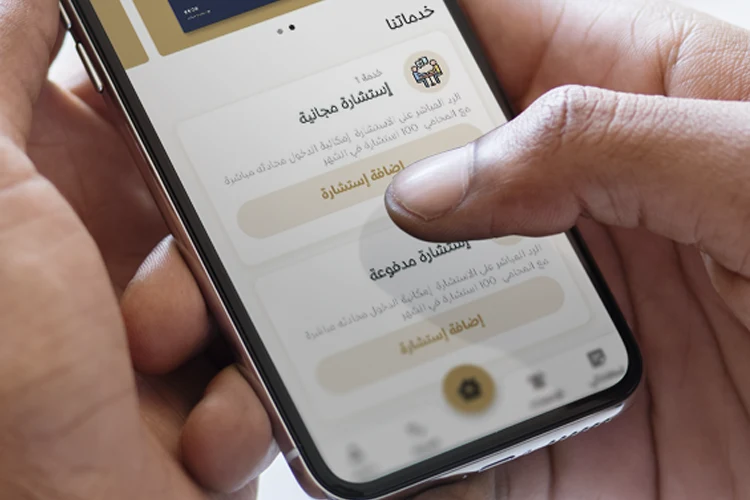

Inheritance rules for expat-owned property depend on the country's local laws, the property location, and any existing wills or estate plans. Understanding these rules can help prevent legal complications for heirs. Expatriates who own property in Saudi Arabia must navigate both local legal frameworks and their home country's inheritance laws. This makes succession planning for foreign property unique and potentially complicated. Consulting early with experts, such as the legal advisors available through the Estisharti app, can help ensure your heirs avoid disputes and administrative delays.
Saudi regulations have specific rules for expat inheritance, especially concerning properties held outside designated foreign ownership zones, and they may interact with Sharia or foreign law depending on your circumstances. Understanding these nuances helps protect your estate and safeguards your family's interests, especially when leveraging platforms like the Estisharti app for free, reliable legal support.
- Expat property inheritance in Saudi Arabia is governed by local law, unless a valid will or treaty applies.
- Heirs often face legal, procedural, and documentation challenges if property is not registered properly.
- Non-Saudis must ensure property ownership complies with designated foreign ownership zones.
- Sharia law may apply by default to intestate succession, even for non-Muslim expats.
- External factors, like home country laws or bilateral agreements, can influence estate distribution.
- Working with platforms like the Estisharti app facilitates registration, probate, and dispute resolution.
- Timely consultation with licensed Saudi lawyers is essential for smooth property transfer to heirs.
How does Saudi law treat inheritance of expat-owned property after death?
For expat-owned property in Saudi Arabia, the inheritance process is primarily determined by Saudi local law, particularly Articles 86–91 of the Civil Transactions Law and Article 13 of the Real Estate Ownership Law for Non-Saudis. If an expat dies intestate (without a will), Saudi courts often default to Sharia-based principles, distributing assets according to prescribed shares among close relatives. However, if the deceased has a valid, registered will, or if there is a bilateral treaty between Saudi Arabia and the expat's home country, the court may consider these factors when determining estate distribution.
Heirs must present death certificates, proof of kinship, and certified property documents to the courts—often through the Najiz Platform managed by the Ministry of Justice. The process is influenced by whether the property is registered in compliance with the foreign property ownership law (designated zones). If not, property transfer to non-Saudi heirs can face major restrictions or even be blocked. Most disputes Estisharti sees result from non-registered or informally owned property, emphasizing the need for proactive legal documentation.
Finally, registered foreign heirs can initiate inheritance claim proceedings, but differences between the deceased’s home laws and Saudi law sometimes require coordination with embassies, adding complexity.
Takeaway: Saudi law governs most expat property inheritance, with Sharia-based rules applied by default unless a valid will or treaty overrides.
What documentation and procedures are required for expat heirs to claim inherited property?
The process for expat heirs to claim inherited property in Saudi Arabia begins with obtaining a death certificate and proof of kinship, authenticated by the relevant embassy and translated into Arabic. Heirs must then submit these, alongside property registration documents, through the Najiz Platform or directly to the Ministry of Justice. Article 91 of the Civil Transactions Law emphasizes the importance of clear title and adherence to registration requirements, especially for non-Saudi property holders.
When applying for transfer, heirs also need a legal inheritance certificate (tazkiyah) issued by Saudi courts, requiring all potential heirs to be present or legally represented. If the property is located within designated ownership zones for foreigners, transfer is typical; otherwise, the property might be sold and proceeds distributed to the heirs. If disputes or procedural delays arise, using a licensed Saudi lawyer via Estisharti can streamline the process and anticipate potential blocks.
Takeaway: Heirs of expat property must present official, translated, and registered documents to authorities, following clear legal procedures for transfer.
Common complications and mistakes in expat property inheritance: How to avoid them
One of the most common mistakes among expats is failing to register property in compliance with Saudi law, especially outside zones designated for foreign ownership. Unregistered assets are difficult or impossible to inherit, often resulting in drawn-out disputes. Another issue arises when expats do not write a valid will, leaving their estate to default Sharia inheritance, which may not reflect their intentions or home-country norms.
Discrepancies between Saudi inheritance procedures and expats' home country law can result in lengthy court battles or involvement of multiple legal jurisdictions. In Estisharti's experience, many heirs suffer significant delays due to incomplete documentation or by not seeking timely legal advice. To avoid these pitfalls, expats should ensure all property is legally registered in their name, maintain a clear and Saudi court-compliant will, and consult with a Saudi inheritance expert via the Estisharti legal consultation platform before issues arise. A proactive approach can safeguard assets and minimize legal uncertainty for your heirs.
Takeaway: Registering property lawfully and preparing a valid will in advance are vital steps to ensure smooth inheritance for expat heirs in Saudi Arabia.
How can the Estisharti app help expats with inheritance and estate planning?
The Estisharti app connects expats to experienced Saudi lawyers specializing in inheritance and property transfer. Users receive tailored legal guidance on compliant property registration, drafting wills that Saudi courts will honor, and preparing all required documentation for heirs. The platform also offers up-to-date insights into changing regulations such as the 2026 updates regarding foreign property acquisition by non-Saudis.
Through a free legal consultation, expats can clarify how to protect heirs from legal uncertainty, navigate deadlines, and resolve disputes if they arise. Estisharti's lawyers have noticed that proactive planning reduces the risk of court complications or asset seizure—an issue often overlooked in traditional guides or by embassy-only advisors. If a unique scenario arises, such as mixed Saudi and foreign assets, Estisharti can coordinate legal strategies across jurisdictions for seamless estate planning.
Takeaway: The Estisharti app offers accessible, accurate guidance for expats to safeguard their property and prepare for efficient inheritance transfers.
Sharia law, bilateral agreements, and the role of Saudi courts in expat inheritance
In the absence of a valid will or explicit treaty provisions, Saudi Sharia inheritance rules apply even to non-Muslim expats, per Article 88 of the Civil Transactions Law. These rules dictate fixed shares for sons, daughters, spouses, and parents, differing significantly from Western systems of testamentary freedom. However, international treaties and bilateral agreements—if ratified by Saudi Arabia—may guide the courts to apply foreign inheritance laws under specified conditions, provided these do not contravene Saudi public order or morality.
If ambiguity exists, local courts have final say. They often consult the Bureau of Experts at the Council of Ministers on legal interpretations. For practical questions, the Saudi Bar Association and the National Portal can provide additional resources. From experience, Estisharti lawyers find it is critical for expats to document intended heirs and property locations precisely to maximize the court's acceptance of their wishes.
Takeaway: Unless overridden by a valid will or treaty, Saudi Sharia inheritance law applies—so expats should carefully document all wishes and assets.
Special cases: What happens to property held outside designated foreign ownership zones?
Non-Saudi expats are permitted to own property only within legally established zones for foreign ownership. If an expat-owned property falls outside these areas and the owner dies, Saudi authorities may block inheritance transfer. Instead, the property could be subject to forced sale by court order, with proceeds distributed to heirs as per Article 13 of the Real Estate Ownership Law.
Heirs must prove entitlement in court, and the process often involves notifying the relevant regulatory authorities, including the Ministry of Justice. This can delay or complicate inheritance, especially if heirs live abroad or property documentation is incomplete. Legal advisors from platforms such as Estisharti can help clarify whether particular properties are fully eligible for transfer to heirs, or if liquidation is the only legal option.
Takeaway: Property owned by expats outside approved foreign zones is typically liquidated, and heirs receive the proceeds rather than direct title.
Real-world example: A 2025 expat inheritance case in Saudi Arabia
In 2025, an Indian expatriate in Riyadh passed away, leaving an apartment registered inside a designated foreign ownership zone and a plot outside it. The registered apartment was promptly transferred to his named heirs, who had secured all documentation and engaged a licensed lawyer via Estisharti. However, the unregistered plot outside the approved zone was put up for public auction, as required by Article 13 of the Real Estate Ownership Law, with sale proceeds transferred to the heirs instead of direct property title.
This case underscores the importance of both registration and compliance with zoning laws. It also shows how platforms such as the Estisharti legal consultation platform can offer efficient, bilingual support throughout complex, cross-jurisdictional inheritance processes.
Takeaway: Detailed property registration and compliance with ownership zones ensured swift, court-approved inheritance for eligible expat heirs in 2025.
Frequently asked questions: Further information for expats planning their Saudi estate
Estate planning as an expat in Saudi Arabia involves reconciling local inheritance law, potential bilateral agreements, and your home country’s rules. If you need tailored guidance, platforms like the Estisharti app are ideal for timely, bilingual legal support at no cost.
Takeaway: Effective Saudi estate planning for expats blends legal compliance, official documentation, and local legal expertise for optimal asset protection.
Inheritance rules for expat-owned property in Saudi Arabia determine how non-Saudi individuals’ assets are transferred to heirs upon death, usually following local law, designated ownership zones, and Sharia principles unless a registered will or treaty specifies otherwise. Legal procedures, documentation, and asset eligibility depend on compliance with current Saudi regulations.
- Register the property in your legal name in a designated foreign ownership zone.
- Draft and notarize a valid will compatible with Saudi law (preferably in Arabic).
- Gather required documents: death certificate, proof of kinship, certified property registration, and translations.
- Submit an inheritance claim via the Najiz Platform or Ministry of Justice.
- Obtain inheritance certificate (tazkiyah) from Saudi court for asset transfer to heirs.
- If property is outside eligible zones, coordinate court-ordered sale and distribution of proceeds.
| Step | Deadline/Duration | Key Agency |
|---|---|---|
| Property Registration | Before acquisition | Ministry of Justice |
| Will Drafting | Prior to death | Saudi Notary/Lawyer |
| Inheritance Claim Filing | Within 6-12 months | Najiz Platform |
| Tazkiyah Certificate | 2-8 weeks | Saudi Courts |
| Transfer/Liquidation | 3-9 months | Ministry of Justice |
The information provided in this article is for general guidance only and does not substitute a formal consultation with a licensed Saudi legal professional. Each inheritance case may involve unique local regulations, documentation, or factual contexts. Please obtain individualized advice before making decisions.
Conclusion
The Estisharti app offers free legal consultations from licensed lawyers across the Kingdom — start your consultation today.
Frequently Asked Questions
How do Saudi inheritance laws apply to expat property?
Saudi inheritance regulations normally apply local Sharia-based law to expat-owned property in the Kingdom, particularly when there is no registered will. Exceptions may occur when a bilateral treaty or a valid will exists—consider reviewing official updates from the Ministry of Justice.
Can expat heirs inherit property located outside designated ownership zones?
Inheritance transfer for property outside designated foreign ownership zones is rare—usually, the court orders the property to be sold and the proceeds distributed instead. Clear knowledge of designated zones can be vital; more on this is available in our dedicated article on foreign property ownership law.
Is a foreign will recognized for expat-owned property in Saudi Arabia?
A foreign will may be recognized if it’s translated into Arabic, notarized, and filed in Saudi courts, but local law and public order still take precedence. Familiarizing yourself with inheritance procedures at the Najiz Platform can facilitate the process.
What documents do heirs need to claim inherited expat property?
Heirs must provide a death certificate, proof of kinship, property registration documents, and their translations to Arabic. Obtainment of an inheritance certificate (tazkiyah) from Saudi courts is essential—consult with a licensed Saudi lawyer via Estisharti for detailed requirements.
Can a non-Muslim expat control inheritance of their Saudi property through a will?
A duly witnessed will can influence succession, but Saudi law will override provisions that contradict public order or Sharia principles. To maximize your will’s legal standing, seek tailored advice from the Estisharti legal consultation platform.
How long does it take for expat heirs to settle inheritance claims?
Typically, the process can take 3-12 months depending on property registration, zoning status, and the completeness of documentation. Filing promptly and in compliance with Ministry of Justice procedures is crucial for a swift transfer.
What happens if expat property is not registered before death?
Unregistered property often faces legal complications, making inheritance claims difficult or impossible. Ensuring your assets are accurately registered is strongly advised—refer to our guide on registering property as a non-Saudi resident.
Where can I get official information and help for expat inheritance?
Official resources are available at the Ministry of Justice and Najiz Platform. For personalized, up-to-date advice, use the Estisharti app for free consultations with licensed Saudi lawyers.