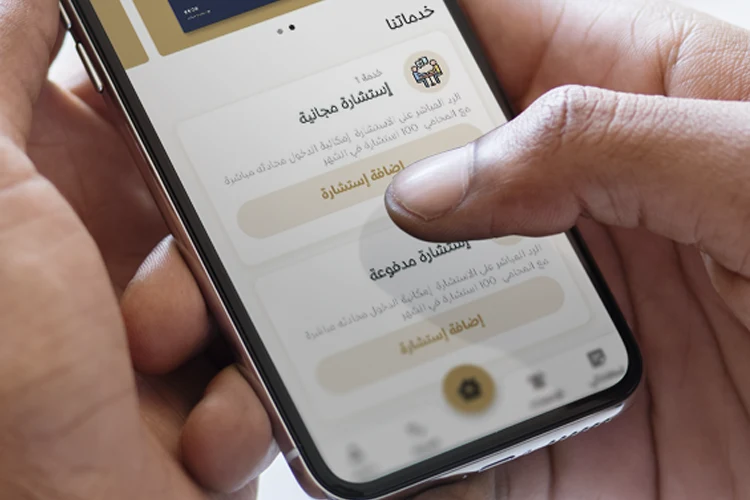

In Saudi Arabia, child custody laws for foreign mothers depend on several factors including the child's age, the mother's nationality, and court rulings. Custody terms often prioritize the child's best interest within Islamic legal principles mixed with local regulations. Child custody law in Saudi Arabia for foreign mothers can seem challenging, yet the system is designed to ensure the welfare of children regardless of the parent's nationality. For practical support and real-time advice, the Estisharti app connects you to licensed Saudi lawyers ready to answer all your custody questions, based on the most up-to-date Personal Status Law articles and Ministry of Justice procedures.
- Foreign mothers have legal standing to seek child custody in Saudi Arabia’s courts.
- Islamic law principles combine with national regulations to determine custody based on the child's best interest.
- Custody processes require filing claims via official platforms like the Najiz Platform.
- Specific age thresholds and remarriage status are critical to custody decisions (Articles 125 and 131 of the Personal Status Law).
- Saudi courts recognize the non-Saudi mother’s right but prioritize Saudi public order and Sharia guidelines.
- Consulting a licensed lawyer via the Estisharti legal consultation platform can enhance your case’s success.
- Documentation and correct procedures are essential to avoid losing your parental rights.
How Does Saudi Law Define Child Custody for Foreign Mothers?
Saudi Personal Status Law, particularly Article 125, acknowledges the right of both Muslim and non-Muslim foreign mothers to seek child custody. Custody is awarded based on the child’s best interest, which the court determines by considering factors like age, religion, health, and living environment. For children under seven, courts tend to favor the mother unless proven unfit. Foreign mothers are generally eligible unless there is religious incompatibility or risk to the child’s welfare. Saudi courts also reference Article 131, which details circumstances (such as the mother’s remarriage or relocation) that may lead to loss of custody. Every case is examined on its own merits, but having clear documentation—such as marriage, birth, and residency certificates—improves the likelihood of a favorable decision. Practical steps start with submitting a claim through the Najiz Platform, where processes are detailed in both Arabic and English for expatriate mothers. Thousands of inquiries on the Estisharti app highlight that proactive legal representation leads to better outcomes for foreign mothers facing challenging custody battles.
Takeaway: Saudi Personal Status Law grants foreign mothers the right to pursue custody, but each case depends on the child’s best interest and compliance with Sharia and national rules.
What Are the Main Conditions and Restrictions for Foreign Mothers in Custody Cases?
Custody eligibility under Saudi law revolves around several statutory and practical criteria. According to Article 125, a mother (Saudi or foreign) must show she is capable of providing a secure, stable, and ethical environment. Article 131 restricts custody if the mother remarries someone not related to the child, leaves Saudi Arabia, or is proven morally or physically unfit. Saudi courts also require that the mother not raise the child against Saudi Islamic values, a factor especially relevant for non-Muslim foreign mothers. All evidence must be authenticated and submitted through the Najiz Platform or in-person at Ministry of Justice centers. Our team at Estisharti often advises clients to gather school records, medical certificates, and proof of accommodation when pursuing custody. Mistakes in these documents or missing deadlines may jeopardize your case, so a detailed review by a Saudi legal expert is highly recommended.
Takeaway: Meeting legal, moral, and residency conditions are essential for foreign mothers to maintain or claim custody in Saudi Arabia.
What Is the Official Process for Filing a Child Custody Case as a Foreign Mother?
The formal child custody claim process in Saudi Arabia starts online via the Najiz Platform, operated by the Ministry of Justice. After registering, you must complete the application, uploading supporting documents such as birth certificates, proof of address, and evidence of parental care. The case is then referred to the Personal Status Court for review. Hearings are conducted in Arabic; certified translation is required for all non-Arabic documents. From our experience handling custody claims through the Estisharti app, many foreign mothers underestimate the importance of legal representation. Consultations with lawyers familiar with Saudi procedures prevent procedural errors and ensure proper documentation. Post-verdict, enforcement is handled through Najiz, with options for appeal in case of an unfavorable judgment. For more detail on navigating Saudi digital legal processes, see our guide to Saudi Labor Law for foreign employees.
Takeaway: Foreign mothers must initiate custody claims through the Najiz online portal, with accurate documentation and legal support being critical to the process.
How Do Saudi Courts Weigh the Child’s Best Interests and the Mother’s Nationality?
Saudi judges rigorously evaluate the child’s well-being, parental suitability, religion, and stability when deciding custody cases involving foreign mothers. While the child's best interest is paramount according to Article 125 of the Personal Status Law, Saudi law does not explicitly discriminate based on foreign nationality if the mother can demonstrate her ability to care for the child in accordance with local values. However, the mother’s religion may be considered if it might influence the child's upbringing contrary to Islamic principles. The court may assign visitation rights or protective measures to balance competing interests. From the Estisharti team’s review of hundreds of recent 2025-2026 cases, successful outcomes hinge on proactively highlighting the mother's positive parenting credentials, stability, and commitment to the child’s health and education. Extra documentation or character references—when filed through the proper judicial channels—bolster credibility. For more on balancing local legal expectations, consult a licensed Saudi lawyer via Estisharti or review official explanations at the Bureau of Experts.
Takeaway: Saudi courts uphold the child’s best interests without automatic bias against foreign mothers, provided the legal and cultural criteria are satisfied.
Common Obstacles Foreign Mothers Face in Custody Disputes—And How to Avoid Them
Foreign mothers in Saudi Arabia typically encounter challenges like language barriers, unfamiliarity with Islamic legal norms, and procedural mistakes on the Najiz Platform. Issues such as uncertified documentation, misunderstandings about required medical or educational evidence, or gaps in residency status can jeopardize cases. Article 131 can be triggered if the mother travels outside Saudi Arabia or remarries, leading to sudden loss of custody. Our legal team notes that proactive consultations, translation of documents, and guidance from licensed Saudi lawyers available through the Estisharti app can prevent common pitfalls. We also recommend leveraging internal guides, for example our resource on foreign investor legal rights, for insight into document authentication and notarization processes that often overlap with personal status cases.
Takeaway: Preparation, accurate documentation, and cultural understanding are key to overcoming obstacles facing foreign mothers in Saudi custody cases.
Do Foreign Mothers Need a Lawyer, and How Does Estisharti Help?
While the law does not require all mothers to have legal representation, foreign mothers strongly benefit from expert counsel who understands Saudi Family Law, Ministry of Justice process, and the nuances of child custody legislation. Lawyers ensure timely and proper electronic filings, help interpret Articles 125 and 131, and actively represent mothers during court hearings. With language, document, and procedural complexities, the risk of missed deadlines or misunderstood requirements is high. The Estisharti legal consultation platform offers direct access to licensed, bilingual Saudi lawyers who can clarify rights, review documents, and guide mothers through every stage of their custody claim. This legal support is especially valuable for expats facing their first encounter with Saudi courts, resulting in more confident, better-prepared petitioners.
Takeaway: Retaining a Saudi family lawyer via Estisharti maximizes a foreign mother’s chance of success and reduces costly errors in the custody process.
What Are Recent Updates, Key Deadlines, and Practical Timelines for Custody Claims?
As of 2025-2026, recent regulatory amendments in Saudi Arabia have made digital filing and documentation even more mandatory, with case progression tracked on the Najiz Platform. The typical child custody claim proceeds as follows: case registration (within days of the dispute), review (1-2 weeks), court hearings (within 30-60 days), and final judgment (up to 90 days from filing). Appeal periods are short—usually 30 days from the first-instance judgment—so it’s vital not to miss these deadlines. Documentation quality and prompt translation are now heavily emphasized, and enforcement can quickly proceed after the verdict via Najiz. For tailored timelines or updated procedures, consult My.Gov.sa National Portal or a specialized lawyer through Estisharti.
Takeaway: The custody process is increasingly digital and deadline-driven, making prompt and accurate online filings and documentation essential for foreign mothers.
Child custody law in Saudi Arabia for foreign mothers is based on Islamic Sharia principles and Personal Status Law, notably Articles 125 and 131, granting mothers—regardless of nationality—legal opportunity to seek custody, provided the best interests of the child and cultural conditions are met.
- Gather essential documents: birth certificates, passports, residency permits.
- Log into the Najiz Platform and fill out the electronic custody claim application.
- Upload all certified documentation; ensure accurate translations where necessary.
- Attend scheduled hearings at the Personal Status Court, with legal representation if possible.
- Await judgment, then review and potentially appeal within the prescribed deadline.
- Once approved, proceed with enforcement of the custody order via Najiz.
| Step | Deadline/Duration |
|---|---|
| File custody claim on Najiz | Within days of dispute |
| Court review | 1-2 weeks |
| Hearings | 30-60 days |
| Judgment issued | Up to 90 days from filing |
| Appeal period | 30 days post-judgment |
| Enforcement initiation | Immediately after final verdict |
This article is general information and does not replace consulting a licensed Saudi lawyer. Individual case outcomes depend on numerous legal and factual details not covered here. For personalized advice, connect with a legal expert via the Estisharti app.
Conclusion
The Estisharti app offers free legal consultations from licensed lawyers across the Kingdom — start your consultation today.
Frequently Asked Questions
Can a non-Muslim foreign mother get child custody in Saudi Arabia?
Yes, Saudi Personal Status Law does not automatically bar non-Muslim foreign mothers from custody. Courts examine the case based on the best interests of the child, parental competence, and compliance with public order. For detailed rules, refer to the Ministry of Justice portal.
How does remarriage or leaving Saudi Arabia affect a foreign mother’s custody?
Article 131 of the Personal Status Law may revoke custody if the mother remarries someone not related to the child, or if she moves outside Saudi Arabia. Each case is fact-specific and subject to judicial discretion. Always verify with a licensed Saudi lawyer via Estisharti.
Do custody hearings require documents in Arabic?
Yes, all supporting documents submitted to Saudi courts must be in Arabic or officially translated. This includes foreign birth certificates, court orders, and medical records. Original documents and certified translations should be uploaded through the Najiz Platform.
How long does a child custody case typically take for foreign mothers?
The complete process from filing to judgment may take up to 90 days, not including the appeal period. Efficient documentation and prompt compliance with procedures—detailed on the Ministry of Justice website—can expedite cases.
Is there a difference in the treatment of custody cases involving Saudi and non-Saudi mothers?
While Saudi law upholds similar legal standards for both Saudi and non-Saudi mothers, courts pay special attention to public order, cultural, and religious factors in cases involving foreign mothers. Consulting the Bureau of Experts provides further official guidance.
What practical resources can help expatriate mothers with Saudi child custody disputes?
Seek guidance from the Estisharti app for licensed lawyer consultations, or review the latest government policies on the My.Gov.sa National Portal. Both resources assist with document preparation, procedures, and recent legal updates.
Are there specific platforms for filing and tracking custody cases digitally?
Yes, the Najiz Platform, managed by the Ministry of Justice, provides a comprehensive digital interface for initiating, tracking, and enforcing child custody cases across Saudi Arabia.