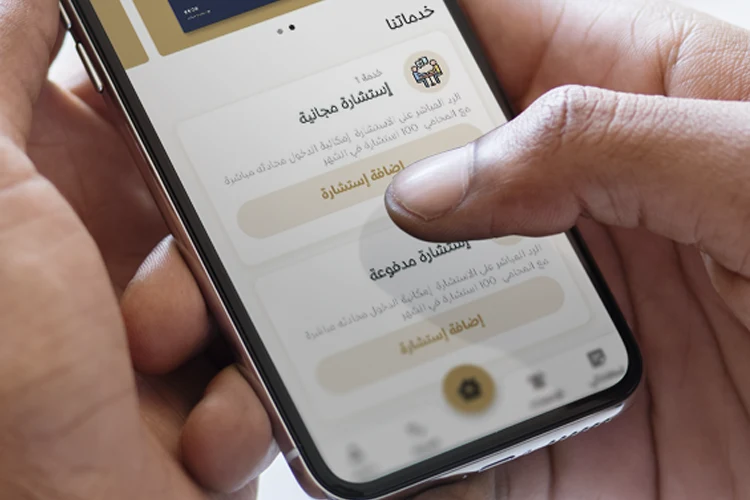

In Saudi Arabia, custody laws typically favor Muslim mothers, and non-Muslim wives generally face legal challenges in retaining custody under the Islamic Sharia system. While exceptions exist, custody decisions often depend on the child's welfare, religion, and age. Understanding these legal nuances is crucial, especially for ex-pat families. For trusted advice, the Estisharti app connects you with licensed Saudi lawyers who offer free guidance on complex custody matters, including those involving non-Muslim wives and foreign parents.
- Non-Muslim wives rarely retain long-term custody in Saudi Arabia—religion is key in family court rulings.
- Child’s religion is central; Saudi courts favor Muslim custodians, especially past a certain child age.
- Exceptions are possible if the child’s best interests and stability are demonstrated.
- Consulting licensed Saudi lawyers is essential before any legal step involving custody disputes.
Can a non-Muslim wife legally keep custody of her child in Saudi Arabia?
The legal framework in Saudi Arabia typically mandates that a child’s religion aligns with the Muslim faith, in line with Sharia. Article 128 of the Saudi Personal Status Law specifies that custody should ensure religious upbringing, often favoring Muslim relatives. Non-Muslim mothers may be granted temporary custody, especially during early childhood, but this is subject to revocation if the Muslim parent or family requests custody. Furthermore, courts prioritize the child's best interests, with religion being a primary factor. Relocation limitations and restrictions on international travel are also commonly applied. Legal outcomes depend heavily on case details, judicial discretion, and recent legal reforms. Seeking specialized legal clarity through the Child custody law in Saudi Arabia for foreign mothers resource and a licensed lawyer via the Estisharti app is highly recommended.
Takeaway: Non-Muslim wives face significant barriers to long-term custody in Saudi Arabia; religion and best interests guide court decisions.
What legal criteria influence custody for non-Muslim wives under Saudi law?
Saudi courts apply Islamic Sharia as the primary criterion in all custody cases involving non-Muslim wives. For example, Article 128 and 131 of the Saudi Personal Status Law prioritize ensuring the child's Islamic upbringing. Age matters—custody may be with the mother until a certain age (typically seven for boys, nine for girls), after which a Muslim parent or male relative gains preference. However, the child's safety and wellbeing are also considered under Article 132. If the non-Muslim mother can show she will not interfere with or compromise the child’s religious upbringing, some judges may allow extended custody. Reviewing regulations via the Ministry of Justice and consulting the Estisharti legal consultation platform provides tailored guidance on how these criteria may affect a specific case.
Takeaway: Religion, child’s age, and welfare dictate custody outcomes for non-Muslim wives in Saudi courts.
What practical steps can non-Muslim wives take in Saudi custody disputes?
Strategically approaching custody cases is essential for non-Muslim wives in Saudi Arabia. Early legal advice is vital; connecting with a licensed Saudi lawyer via Estisharti ensures accurate support. Preparing evidence of the child’s wellbeing and showing cooperation with Islamic practices increases judicial confidence. Pursuing mediation, documenting parenting arrangements, and adhering to court orders minimizes the risk of custodial transfer. For foreigners, understanding the multi-layered legal process—filing via the Najiz Platform, mandatory documentation, and possible travel restraining orders—is crucial. Detailed guidance is outlined in resources like the Family lawyer Saudi Arabia for expat marriage/divorce cases.
Takeaway: Proactive legal consultation, evidence of cooperation, and mediation are crucial for non-Muslim wives facing custody disputes.
Are there real cases where non-Muslim mothers gained or lost custody in Saudi Arabia?
Saudi courts generally grant temporary or conditional custody to non-Muslim mothers, particularly when the child is very young and the biological father consents or does not contest. However, if the child must be raised as Muslim or reaches a certain age, courts often reassign custody to a Muslim relative according to Article 128. We notice in Estisharti consultations that mothers who demonstrate respect for Islamic customs and secure local support sometimes maintain contact or visitation rights. However, exceptions for permanent custody are rare, and outcomes vary by region and judicial interpretation. For tailored advice, always use official channels like the Ministry of Justice and seek clarity about recent reforms.
Takeaway: While some non-Muslim mothers obtain temporary custody, long-term rights are limited unless strict conditions are met.
In Saudi Arabia, a non-Muslim wife’s eligibility to retain child custody is heavily dependent on her willingness to respect the child's Islamic upbringing, and is generally limited in duration or subject to Muslim family preference.
- Consult a licensed Saudi lawyer experienced in custody matters.
- Gather documents showing parenting stability and child welfare.
- Initiate legal proceedings via the Najiz Platform.
- Attend mediation if required by the court.
- Demonstrate respect for the child's religion and cooperate with Islamic customs.
- Comply fully with Saudi court rulings regarding custody and visitation.
This content is general legal information and does not replace personalized advice from a licensed Saudi lawyer. Always consult a qualified professional for your specific case.
Frequently Asked Questions
Can a non-Muslim wife ever keep long-term custody in Saudi Arabia?
It is rare for a non-Muslim wife to keep long-term custody in Saudi Arabia, as courts usually prioritize a Muslim custodian for the child's religious upbringing. Temporary custody may be allowed, but permanent arrangements are exceptional. Check with the Ministry of Justice for individual case assessment.
Are there exceptions allowing non-Muslim mothers to keep custody?
Exceptions are possible if the child's best interests clearly warrant it and the mother respects Islamic customs. Each case is assessed individually, so a licensed Saudi lawyer’s advice is critical; consult the Estisharti app for guidance.
What is the role of the child's religion in Saudi custody cases?
The child's religion is central in Saudi family courts. Under Sharia and Article 128, courts favor custodians who can ensure an Islamic upbringing. Non-Muslim parents face added scrutiny regarding religious influence and education.
How can foreigners get legal help with custody disputes in Saudi Arabia?
Foreign residents or non-Muslim mothers should promptly engage a qualified Saudi lawyer. The Estisharti legal consultation platform offers free support and can connect you to experienced counsel on custody and related issues.