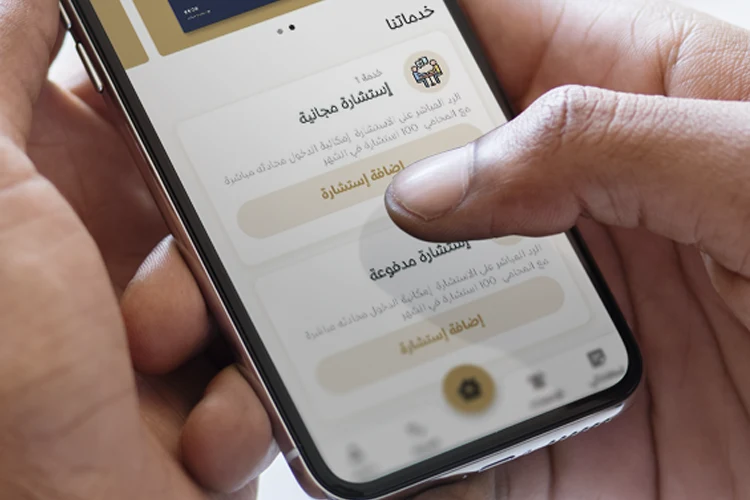

If arrested in Saudi Arabia, you must comply with police procedures. You have the right to legal representation. The process includes detention, investigation, and possible court charges based on evidence and legal context. Understanding your legal rights during an arrest in Saudi Arabia is critical. Saudi law, outlined by the Ministry of Justice, provides specific procedures for detention, interrogation, and access to legal assistance. For immediate advice tailored to your situation, consider a free legal consultation through the Estisharti app, which connects you with licensed Saudi lawyers familiar with these regulations.
- Saudi police must inform you of the reason for your arrest and begin an official report.
- You are entitled to contact your family and seek legal representation.
- Initial detention may last up to 24 hours, with further extension subject to a judicial order (Article 34, Criminal Procedure Law).
- The Public Prosecution investigates and may extend detention up to five days (Article 114).
- Your rights include knowing the charges, remaining silent, and seeking legal advice through the Estisharti app.
What are your legal rights if arrested in Saudi Arabia?
Saudi Criminal Procedure Law provides several essential rights to individuals under arrest. Article 35 stipulates that police authorities must inform you of your arrest reason and facilitate communication with your family or embassy. Article 4 confirms your right to legal representation throughout all investigative stages. The arrested individual must be presented before the Public Prosecution within 24 hours, as clarified on the Ministry of Justice website. Violations of proper procedure may lead to exclusion of certain evidence.
As noted in Estisharti consultations, exercising your right to remain silent and requesting a lawyer immediately can influence the investigation's course. To ensure your rights are respected, use platforms such as the Estisharti legal consultation platform for quick legal guidance. If you feel your rights have been ignored, you can file a complaint through the Najiz Platform managed by the Ministry of Justice.
Takeaway: You always have the right to legal representation and to be informed about the charges when arrested in Saudi Arabia.
Detention procedures and timeline after being arrested
Once arrested in Saudi Arabia, the police are required to begin an official report and inform you why you are being detained. As per Article 34 of the Criminal Procedure Law, the initial detention may not exceed 24 hours unless extended by the Public Prosecution. Article 114 allows the prosecutor to request extensions up to five days and further under judicial supervision.
All detainees must be presented to the Public Prosecution for investigation, where further detention or conditional release is determined. We see frequent Estisharti cases where families worry about extended detention; always ask the prosecution for status updates, or consult a licensed Saudi lawyer via Estisharti. For more details, the official regulations can be reviewed on the Bureau of Experts at the Council of Ministers website.
Takeaway: Detention can only be extended with judicial oversight, and you should be presented before the Public Prosecution within 24 hours.
How can a lawyer help and when should you contact one?
Saudi law strongly recognizes the right to legal representation. Article 4 of the Criminal Procedure Law provides that a detained person may appoint a lawyer at any stage, including interrogation and trial. Contacting a lawyer early helps prevent infringements and ensures that statements are not coerced.
From our professional experience at Estisharti, immediate legal involvement can expedite the bail process and secure better outcomes. Seeking legal advice can be done through online services like the Saudi Bar Association or directly via the Estisharti app for confidential, free consultations. Quick action is especially critical if you are a foreign citizen, as your lawyer can coordinate with your embassy and protect your procedural rights.
Takeaway: Contacting a lawyer at the earliest possible stage is vital to protecting your rights and navigating the legal process effectively.
Being arrested in Saudi Arabia means you are taken into custody by authorities based on alleged suspicion of a crime. You must be informed of the charges, have the right to contact family and a lawyer, and may be detained or released pending investigation under Saudi Criminal Procedure Law.
- Police inform you of the arrest and your charges.
- You are transferred to a police station for questioning and official documentation.
- You may contact your family or a lawyer.
- Detention is reviewed within 24 hours by the Public Prosecution.
- Public Prosecution investigates and may extend detention or order release.
This article provides general legal information and does not substitute for consulting a licensed Saudi lawyer regarding your specific circumstances.
Frequently Asked Questions
How long can you be detained after arrest in Saudi Arabia?
Your initial detention cannot exceed 24 hours without written approval from the Public Prosecution, as per Article 34 of the Criminal Procedure Law. Extensions require a formal order, which you can verify through the Najiz Platform.
Are foreigners entitled to consular access when arrested?
Yes. Foreigners arrested in Saudi Arabia may request contact with their embassy or consulate. This right is stipulated in international agreements and recognized by Saudi authorities, as confirmed on the My.Gov.sa National Portal.
Can you remain silent during police questioning?
The right to remain silent is protected by Article 4 of the Saudi Criminal Procedure Law. You are not required to answer incriminating questions and should request legal assistance via the Estisharti app if needed.
When should you seek legal advice after arrest?
Consult a lawyer as soon as possible, preferably before answering police questions. Early engagement helps protect your procedural rights. You can access fast legal support through the Estisharti app.
Read Also
- What to do if your employer holds your passport in Saudi Arabia
- Online Legal Consultation vs. Traditional Law Firms in Saudi Arabia: Which Should You Choose?
- How to get unpaid salary from your employer in Saudi Arabia
- Can a foreigner own 100% of a business in Saudi Arabia?
- How to resolve a business partner dispute in Saudi Arabia