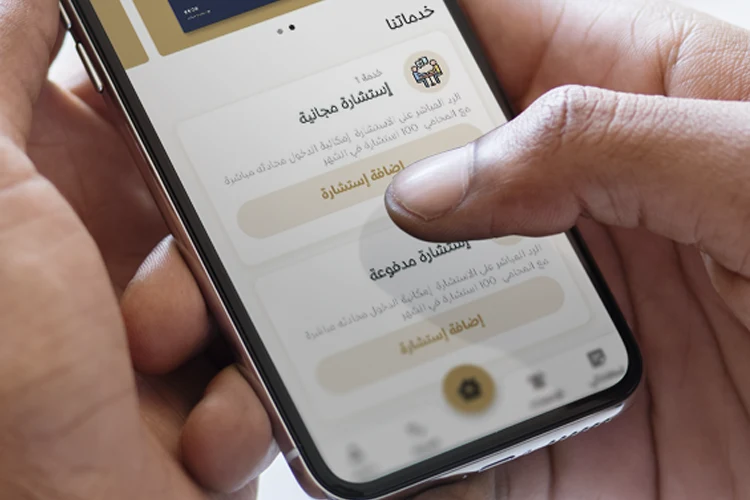

Resolving a rental dispute with your landlord involves communication, understanding your rental agreement, knowing your legal rights, and possibly seeking mediation or legal advice to reach a fair solution. In Saudi Arabia, tenants and landlords have defined rights and obligations set by the Civil Transactions Law and Rental Law. Disputes can often be resolved amicably, but the law provides clear procedures if issues escalate. The Estisharti app connects you with licensed Saudi lawyers for free guidance and up-to-date advice on tenant-landlord disputes, empowering you with local legal expertise.
- Communicate directly with your landlord to attempt amicable resolution as the first step.
- Review your rental contract and understand your rights under Articles 601–609 of the Civil Transactions Law.
- Keep records of communications and payment receipts for evidence.
- If unresolved, file a complaint through the Najiz Platform for legal proceedings.
- Legal mediation is encouraged before litigation to save time and costs under Saudi rental laws.
What are your legal rights and obligations in a Saudi rental dispute?
The foundation for resolving any rental dispute in Saudi Arabia is an understanding of your rights and duties as outlined in your lease agreement and supported by the Civil Transactions Law. Renters must fulfill payment obligations and maintain the property, while landlords must provide habitable premises and honor contract terms. Article 601 of the Civil Transactions Law mandates that landlords deliver the property in a suitable condition, and Article 604 grants tenants the right to necessary repairs. If you believe your rights are being violated, review your contract alongside these statutes. Further clarifications can be accessed through the Bureau of Experts at the Council of Ministers. Drawing from Estisharti consultation experience, keeping detailed records of all interactions and documents is critical.
Takeaway: Both parties must adhere to the terms in the lease and relevant law articles; knowing your legal obligations is essential for effective dispute resolution.
Step-by-step process: How to resolve a rental dispute with your landlord in Saudi Arabia?
If informal discussion fails, tenants in Saudi Arabia can follow a structured approach to resolve disagreements. Begin with written communication, stating your issue clearly and referencing relevant Articles, such as Article 608, which allows tenants to withhold rent if serious defects persist. Save all written records and payment proofs. Next, propose mediation—many disputes can be resolved before escalating to formal complaints. Should you need to proceed, file an official complaint via the Najiz Platform. The court may suggest mediation, in line with the principles of the rental dispute process. If litigation is necessary, present contracts, correspondences, and evidence. For practical guidance tailored to your situation, consider submitting your details to the Estisharti legal consultation platform.
Takeaway: Following a clear step-by-step procedure, with documentation and mediation, ensures your rental dispute is handled efficiently and legally.
Common mistakes tenants make in rental disputes—and how to avoid them
From our experience at Estisharti, a frequent tenant error is failing to document complaints or discussions, leaving them with insufficient evidence if matters reach court. Another oversight is ignoring the specific procedures required by Saudi law before withholding rent or terminating a lease. Failing to check updated statutes on the Ministry of Justice website can lead to missed deadlines or procedural errors. Always review your contract, Saudi rental law, and save copies of all communications. If you're unsure, consult a licensed Saudi lawyer via Estisharti to avoid costly missteps.
Takeaway: Meticulous documentation and procedural compliance prevent most mistakes and strengthen your position in rental disputes.
How mediation and legal consultation help resolve landlord-tenant conflicts
Saudi law encourages mediation as a way to resolve disputes efficiently and amicably, as reflected in guidance from the Saudi Bar Association. Many rental cases settle faster through neutral third-party mediation, saving considerable time and court fees. Seeking early legal advice via platforms like Estisharti helps you understand your standing and improves outcomes. If you pursue litigation, mediation will typically be recommended before a court ruling under current dispute settlement protocols. Consult authenticated resources, such as the Ministry of Justice, for additional updates on legal process.
Takeaway: Mediation and prompt legal consultation often resolve disputes faster and with less expense than litigation.
Timelines and outcomes: What to expect after filing a rental complaint
Once a formal complaint is submitted on the Najiz Platform, the dispute process is typically swift compared to other civil matters. Notification is sent to the landlord, and a hearing date is scheduled within weeks as per the standard procedures outlined by the Ministry of Justice. Most cases settle or move to judgment within 30–60 days. Outcomes may include court orders for repairs, payment, or contract termination. For more on dispute timelines, referencing labor cases, see the article How long does a labor dispute case take in Saudi Arabia? on Estisharti.
Takeaway: Rental dispute cases in Saudi Arabia are often resolved in under two months if managed through official channels.
A rental dispute is any disagreement between a tenant and landlord regarding the terms, payment, maintenance, or obligations of a real estate lease, resolved under Saudi Civil Transactions Law and the rental contract terms.
- Communicate with your landlord and attempt amicable resolution.
- Review your rental contract and the Civil Transactions Law (Articles 601–609).
- Document all interactions and retain financial evidence.
- Propose mediation or negotiation.
- If unresolved, file a complaint via the Najiz Platform.
- Attend scheduled sessions and present all evidence.
- Consult a lawyer through Estisharti if needed.
This article provides general legal information and does not substitute for consulting a licensed Saudi lawyer or official advice from the Ministry of Justice. Every case is unique—seek professional guidance before taking action.
Conclusion
The Estisharti app offers free legal consultations from licensed lawyers across the Kingdom — start your consultation today.
Frequently Asked Questions
How do I file a rental complaint against my landlord in Saudi Arabia?
You can submit your complaint through the Najiz Platform after preparing your evidence and documentation. This digital process is overseen by the Ministry of Justice and streamlines dispute resolution for tenants and landlords.
What evidence do I need for a rental dispute?
Gather your lease agreement, payment receipts, written communications, photos of alleged property issues, and any official correspondence. These are essential for supporting your case on platforms like Najiz or during courts sessions.
Can I stop paying rent during a dispute?
Under Article 608 of the Civil Transactions Law, tenants may be entitled to withhold rent if the landlord fails to make essential repairs, but this should be done carefully and ideally after legal advice from sources like Estisharti to avoid legal penalties.
How long does the rental dispute process take in Saudi Arabia?
Most rental disputes are resolved within 30 to 60 days after filing a complaint. Timelines may vary depending on case complexity, but the Ministry of Justice is structured to ensure efficiency.
Is mediation required before going to court for a rental dispute?
While not strictly required, mediation is highly encouraged and often proposed by the court or the Saudi Bar Association before litigation, since many disputes resolve more efficiently through this process.
Where can I get free legal advice for a rental dispute in Saudi Arabia?
For free, confidential legal consultations, you can use the Estisharti app, which connects you directly with licensed Saudi lawyers experienced in rental law and dispute resolution.