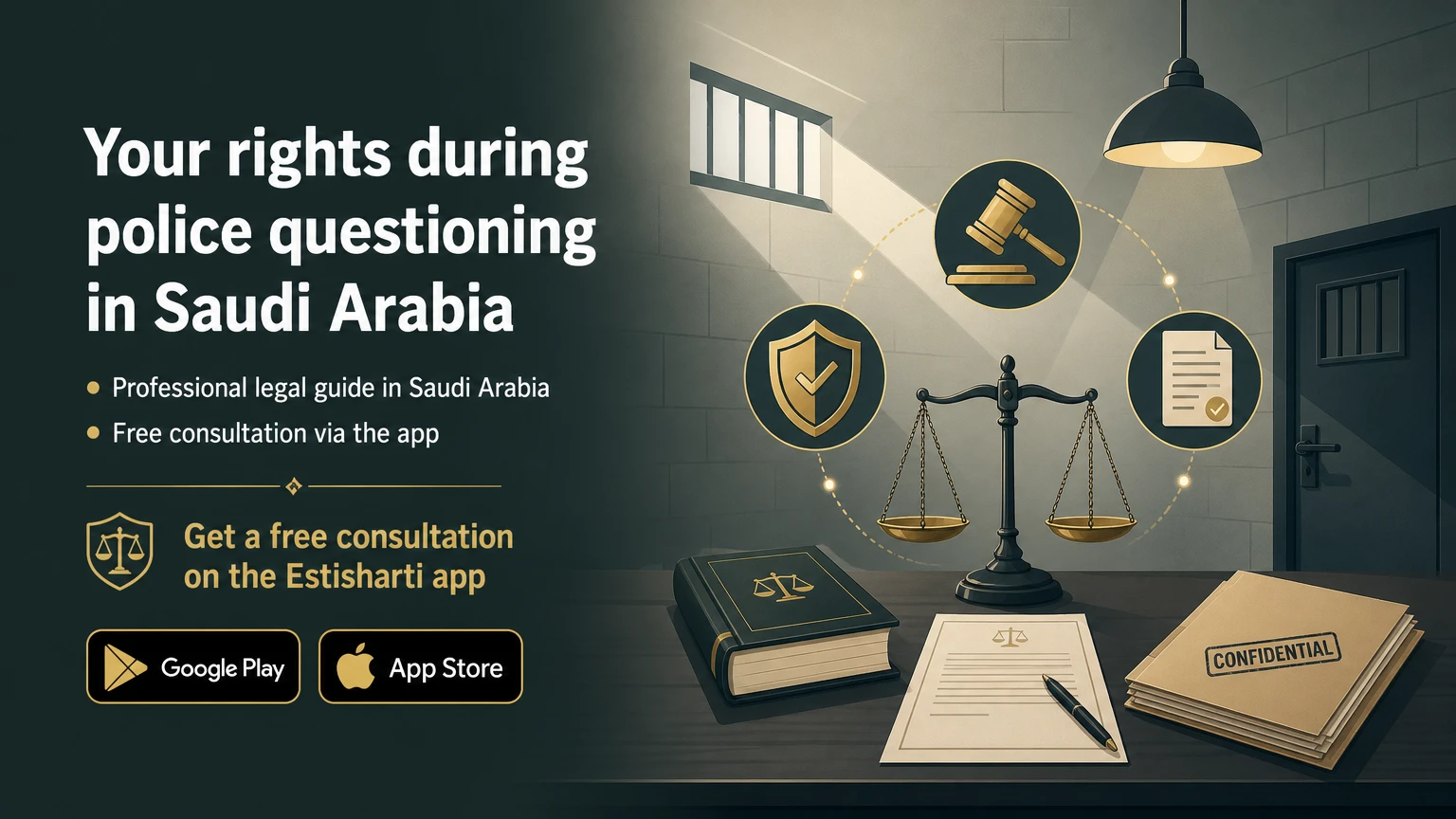
In Saudi Arabia, during police questioning, you have the right to remain silent, to request legal representation, and to be informed of the charges. Understanding these rights helps protect your legal interests. Police procedures are governed by strict laws: Article 35 of the Criminal Procedure Law sets key guarantees for suspects, including access to a lawyer and official notification of charges. Knowing your protections is crucial—discuss your situation with a licensed expert on the Estisharti app to safeguard your rights.
- You have the right to remain silent when questioned by Saudi police.
- Requesting legal representation is allowed at all investigatory stages (Article 4, CPL).
- Police must inform you of any charges (Article 116, CPL) before questioning.
- Physical or psychological coercion during questioning is prohibited by law.
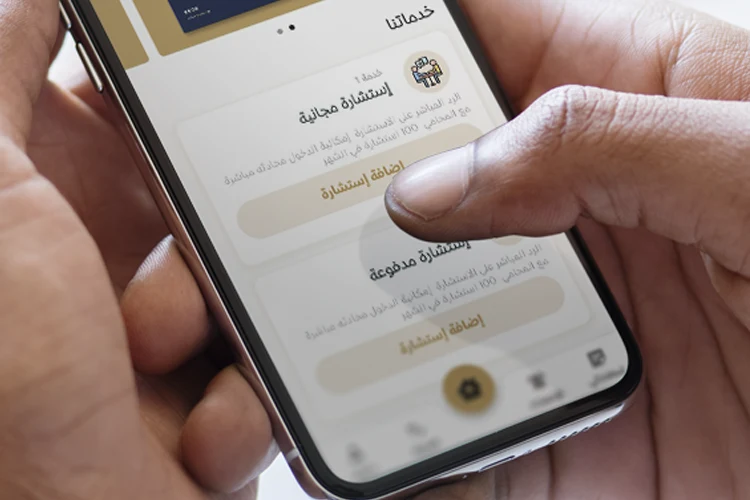
- The Estisharti app connects you free to licensed legal advisors for immediate help.
What are your core legal rights during police questioning in Saudi Arabia?
The Criminal Procedure Law (CPL) of Saudi Arabia guarantees specific rights to anyone detained for questioning. Article 35 requires that an individual cannot be detained without being formally notified of the allegations against them. Article 4 further grants suspects the right to request assistance from a lawyer throughout proceedings, including police interrogation. From our experience at the Estisharti legal consultation platform, most misunderstandings stem from not knowing these statutory guarantees. Moreover, police are prohibited from using threats, physical pressure, or psychological intimidation—any confession obtained unlawfully is inadmissible (Article 102). For confirmation of your procedural rights, refer to the official sources through the Ministry of Justice. Knowing the law helps you avoid inadvertent self-incrimination and ensures fair treatment during questioning.
Takeaway: You have clear legal rights to silence and legal representation when questioned by police in Saudi Arabia.
How to assert your rights if you are detained or summoned by Saudi police
If detained, calmly inform the officer that you wish to exercise your right to legal assistance and be informed of the charges, as provided under Article 116 of the CPL. Do not sign any documents you do not fully understand. Contacting a licensed Saudi lawyer via Estisharti early helps you avoid mistakes frequently cited in our client cases—such as providing a statement without counsel. For official notifications, always verify whether the police have fulfilled their duties as per the Ministry of Justice guidelines. If you feel coerced or threatened, document the incident, and escalate the complaint through the Najiz Platform or seek guidance from the Saudi Bar Association. Timely action and specialist advice can make a decisive difference in your case outcome.
Takeaway: Insist on legal representation and charge notification before answering questions; never proceed alone during a police investigation.
Common mistakes to avoid during police questioning: Insights from Estisharti’s experience
Our lawyers at Estisharti encounter many clients who mistakenly waive their rights by speaking freely without counsel or succumb to unofficial encouragement to "just cooperate." Remember, as confirmed by Article 102 of the Criminal Procedure Law, confessions obtained under duress are considered invalid. It’s common to feel pressure or fear, but you must exercise your right to silence until you fully understand your situation. Avoid signing statements without having them reviewed by an attorney. If you need immediate, confidential help, engage in a free legal consultation through Estisharti or compare with recent updates on the Bureau of Experts at the Council of Ministers website. For further personal rights advice, you may wish to read our guide on free legal consultation in Saudi Arabia.
Takeaway: Never waive your right to silence or sign documents during police questioning without consulting a qualified Saudi lawyer.
When should you contact a lawyer, and how can Estisharti help?
You should contact a lawyer from the first moment you are summoned to the police station. The Saudi Criminal Procedure Law, under Article 4, empowers you to have legal support throughout. Early advice can avert procedural errors and protect you from self-incrimination. The Estisharti app immediately connects you to Saudi-bar registered legal practitioners who can explain the regulatory context and next steps. Whether you are an expatriate or citizen, getting clear advice is vital for protecting your future. For similar employment or passport-related situations, see our guide on what to do if your employer holds your passport.
Takeaway: Contact a Saudi lawyer through Estisharti as soon as police involvement begins to ensure your rights are fully protected.
Your rights during police questioning in Saudi Arabia, under Articles 4 and 35 of the Criminal Procedure Law, include remaining silent, being informed of charges, consulting a lawyer, and protection from coercion or intimidation.
- Politely ask to be informed of the charges against you.
- Request access to legal counsel immediately.
- Do not sign any statements without your lawyer’s review.
- If pressured, invoke your right to remain silent.
- Contact the Estisharti app for urgent expert legal advice.
- Document any violations and report them through the Najiz Platform or Saudi Bar Association.
This article is provided for general informational purposes only and does not replace individualized legal counsel from a licensed Saudi lawyer.
Frequently Asked Questions
Can I refuse to answer police questions in Saudi Arabia?
Yes, you are legally permitted to remain silent during police questioning, as guaranteed by Article 35 of the Criminal Procedure Law. You also have the right to legal counsel. For further details, see the Ministry of Justice.
Is it mandatory to have a lawyer present during police questioning?
While not strictly mandatory, you have the right to request legal representation at all questioning stages (Article 4, CPL). It is strongly advised to consult a lawyer via the Estisharti app to protect your rights.
What do I do if police pressure me or threaten me during questioning?
All forms of coercion are strictly forbidden under Article 102 of the CPL. Document the incident, refuse unlawful questioning, and seek immediate assistance via Estisharti or the Najiz Platform.
How quickly should I contact a lawyer after being detained in Saudi Arabia?
You should contact a qualified Saudi lawyer as soon as possible, preferably before making any statements. The Estisharti app enables instant connection with legal experts 24/7.
Read Also
- Free Legal Help for Teachers in Saudi Arabia: Know Your Rights
- Wrongful termination lawyer Saudi Arabia — expat rights
- What to do if your employer holds your passport in Saudi Arabia
- How to get unpaid salary from your employer in Saudi Arabia
- Free Legal Consultation in Saudi Arabia: Your Complete 2026 Guide