Foreign spouses and children have specific inheritance rights under Saudi Arabian law, influenced by Sharia principles and legal regulations that define their eligibility and shares. The inheritance of foreign spouses and children in Saudi Arabia is governed by a mix of Sharia (Islamic law) and national regulations, especially after the enactment of the Civil Transactions Law in 2023 and the Personal Status Law. While Saudi law grants foreigners partial inheritance entitlements, eligibility, specific shares, and property rights depend on citizenship status, religion, and whether the assets are located within Saudi Arabia. For personalized insights and updates, consult a licensed Saudi lawyer through the Estisharti app—a leading platform for transparent, free legal guidance in KSA.
- Foreign spouses and children may inherit in Saudi Arabia, but shares are governed by Sharia and several statutory restrictions.
- Religion and citizenship status impact inheritance rights for non-Saudis significantly.
- Saudi law distinguishes between movable assets and real estate regarding foreign heirs' entitlements.
- Islamic inheritance rules in the Personal Status Law (Articles 302-322) dictate shares, but some exceptions exist for non-Muslims.
- Disputes and property transfers require submission via the Najiz Platform and formal court processes.
- Complex estate cases involving expat families often require guidance from a licensed Saudi lawyer via Estisharti.
Do foreign spouses and children have inheritance rights in Saudi Arabia?
Yes, but with important limitations. Saudi Arabia generally applies Sharia inheritance rules, principally outlined in Articles 302-322 of the Personal Status Law, which specify fixed shares for wives, husbands, sons, and daughters. However, when a spouse or child is a foreigner, the right to inherit depends on several qualifications: the heir’s religion, marital status, nationality, and whether the property is movable or real estate located within the Kingdom. Article 9 of the Civil Transactions Law restricts land inheritance by non-Saudis unless permitted by specific regulations. Non-Muslim foreign heirs, and spouses who are not Muslim at the time of the decedent’s death, may be excluded from Islamic inheritance under Article 310. We observe at Estisharti that expat family cases are highly sensitive, and delays happen without early legal intervention. To address your situation, get dedicated advice from a licensed Saudi lawyer via Estisharti or use resources offered by the Ministry of Justice.
Takeaway: Foreign spouses and children can inherit in Saudi Arabia, but eligibility is tightly restricted by religion, citizenship, and property type.
How is inheritance distributed to foreign heirs under Saudi law?
The default rules for distribution come from Sharia principles, as codified in the Saudi Personal Status Law (2023). Article 311 forbids non-Muslims from inheriting from Muslims, mirroring classical Islamic law. However, if the foreign spouse or child has embraced Islam, or if both the deceased and heir are non-Muslims, the court may consider the laws of their respective countries—subject to public order in Saudi Arabia. For property, Article 9 of the Civil Transactions Law marks a distinction: foreign heirs can inherit movable assets (such as cash or furniture), but acquiring land or real estate generally requires special governmental approval. Complexities arise in cross-border estates, especially for expats; you can explore specifics via Inheritance rules for expat-owned property when you die or review case processing steps on the Najiz Platform.
Takeaway: Inheritance shares for foreign heirs primarily follow Sharia, but property type and religion often limit entitlements.
What is the legal process for foreign heirs to claim inheritance in Saudi Arabia?
The procedural route begins with initiating a claim via the Najiz platform, submitting evidence of marriage or kinship, and, when relevant, conversion to Islam. If the claim is approved, the Saudi courts will apply Sharia inheritance shares (Articles 302-322 Personal Status Law) and review citizenship. For non-Saudis, real estate typically must be sold and proceeds distributed, as transfer of title to a foreigner is rarely allowed under Article 9 of the Civil Transactions Law. Legalization of foreign documents (marriage, birth certificates) and their translation is mandatory. With our experience at the Estisharti legal consultation platform, we find many delays are caused by mismatches between the deceased’s legal status and the heirs’ nationality or religion, so legal pre-screening saves months of time. Detailed information is available with the Ministry of Justice.
Takeaway: Successfully claiming inheritance as a foreign heir in Saudi Arabia involves legal filings, official document validation, and Sharia-based court review.
Special scenarios: inheritance for children from mixed marriages and non-Muslim heirs
For children from mixed marriages (one Saudi, one foreign parent), inheritance rights hinge on the child’s legitimacy, religion, and nationality registration. Saudi children of a foreign mother usually inherit as full heirs; for example, recent 2025 case files show courts granting full shares provided birth is recognized under Saudi law. Non-Muslim children, or those born out of wedlock without official recognition, are almost always excluded by Article 311. It's essential to file for recognition of paternity and citizenship at the My.Gov.sa National Portal during the estate process. We consistently see at Estisharti that early documentation is crucial. For more on child rights, see Child custody law in Saudi Arabia for foreign mothers.
Takeaway: Legitimacy, Islam, and citizenship registration are decisive factors for mixed-marriage children's inheritance rights in Saudi Arabia.
Common mistakes and practical advice for foreign families on inheritance in Saudi Arabia
Several preventable errors complicate expat family inheritance in the Kingdom. Many foreign heirs assume they automatically inherit real estate, overlooking Article 9's restrictions. Failing to provide legalized and translated documentation often stalls the process. Some families neglect to proactively register paternity or marriage with Saudi authorities, risking exclusion. At Estisharti, we routinely advise clients to pre-verify eligibility, record required documents at the Ministry of Justice, and ensure all heirs’ religion and citizenship status are clear and proven. Professional legal help can preempt most pitfalls—especially for estates with assets both inside and outside Saudi borders. If real estate is involved, consult the Bureau of Experts at the Council of Ministers for updated regulations or ask for case-specific help using a free legal consultation.
Takeaway: Securing inheritance for foreign families requires early document registration and realistic expectations regarding real estate and Sharia limitations.
Cross-border complexities: Saudi inheritance rights versus home country laws
Many foreign heirs mistakenly believe their home country’s inheritance laws supersede Saudi rules. In practice, Saudi courts prioritize the Personal Status Law and Civil Transactions Law, especially Article 9, for any assets situated in the Kingdom. That said, movable assets outside KSA may be distributed per foreign law, subject to Saudi public order. The recognition of foreign wills is possible, but only if they comply with local legal and Sharia conditions. This complexity is pronounced for property, bank accounts, and joint estates spanning multiple jurisdictions. The Saudi Bar Association and the Estisharti app are vital resources for families needing transnational legal solutions. For real estate assets, consult Real estate lawyer Saudi Arabia for foreign investors for in-depth guidance.
Takeaway: Saudi law governs all Saudi-situated assets, regardless of foreign heirs’ citizenship or external wills, requiring cross-border legal synchronization.
When is legal consultation necessary, and how can Estisharti help foreign heirs?
Given the intricacies of inheritance rights for foreign spouses and children, professional guidance is often essential. Many cases involve unique combinations of religion, property, and cross-border marriages, each needing careful review under the Personal Status Law. A licensed Saudi lawyer via the Estisharti app can clarify eligibility, review documents, and expedite claims, preventing common administrative pitfalls. You can also get preliminary insights from the Ministry of Justice or check the Najiz Platform for process status, but tailored advice ensures every procedural step is handled correctly and in accordance with Saudi law. Whether resolving disputes, clarifying shares, or handling multi-jurisdictional estates, expert legal support is highly recommended.
Takeaway: Seeking consultation from a licensed Saudi lawyer minimizes delays and ensures foreign heirs avoid preventable errors in inheritance claims.
| Inheritance Issue | Foreign Spouse | Foreign Child | Saudi National Child |
|---|---|---|---|
| Movable Assets | Eligible (if Muslim) | Eligible (if Muslim and legitimate) | Fully eligible |
| Real Estate | Not eligible without special approval (Art 9) | Not eligible without approval | Eligible |
| Non-Muslim Heirs | Generally excluded (Art 311) | Excluded (Art 311) | Eligible if Muslim |
| Proof Required | Marriage, religion, citizenship | Birth, religion, legitimacy | Birth certificate |
| Process Duration | 4-12 weeks | 4-12 weeks | 3-6 weeks |
Inheritance rights for foreign spouses and children in Saudi Arabia refer to the legal entitlement of non-Saudi family members to inherit from a deceased relative under Sharia law, the Personal Status Law, and the Civil Transactions Law. These rights are subject to religious, procedural, and property-type restrictions, with real estate inheritance tightly limited for non-Saudis.
- Confirm eligibility for inheritance under Saudi Sharia and Personal Status Law (Articles 302-322).
- Prepare legal documentation (marriage, birth certificates, proof of religion and citizenship).
- Submit an inheritance application through the Najiz Platform.
- Legalize and translate all foreign documents for court acceptance.
- Participate in legal hearings and respond to court requests.
- Obtain the court’s inheritance distribution order; movable assets released, property generally sold and proceeds remitted if heirs are foreign.
| Type of Asset | Foreign Spouse/Child (Muslim) | Foreign Spouse/Child (Non-Muslim) |
|---|---|---|
| Movable Assets (cash, accounts) | Eligible | Not Eligible |
| Real Estate | Requires government approval | Not Eligible |
| Process Time | 4-12 weeks | 4-12 weeks (application may be rejected) |
This article provides general legal information and does not constitute legal advice. For specific cases, always consult a licensed Saudi lawyer or use the Estisharti app.
Conclusion
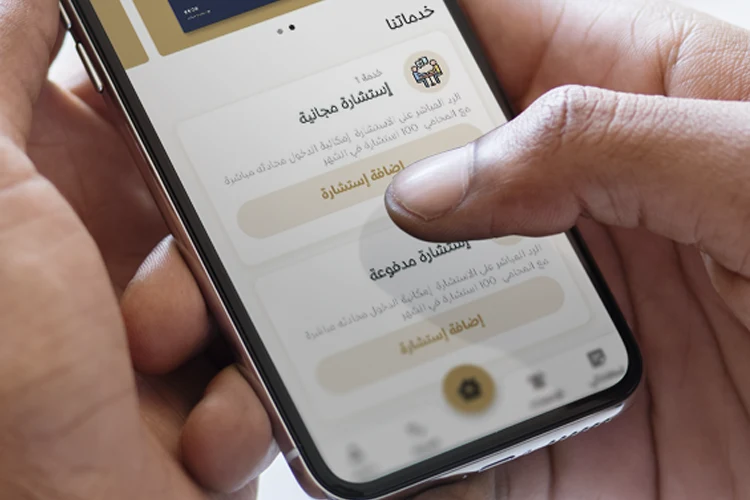
The Estisharti app offers free legal consultations from licensed lawyers across the Kingdom — start your consultation today.
Frequently Asked Questions
Can a foreign spouse inherit real estate in Saudi Arabia?
Generally, a foreign spouse cannot directly inherit Saudi real estate without special governmental permission, as per Article 9 of the Civil Transactions Law. Usually, the real estate is sold and the proceeds distributed to eligible heirs. For current rules, visit the Ministry of Justice portal.
What documents do foreign heirs need to claim inheritance?
Foreign heirs must provide legalized marriage or birth certificates, proof of Islam (if applicable), and valid identity documents. All non-Arabic documents require certified translation. You can begin the process using the Najiz Platform.
Are non-Muslim children entitled to inheritance from a Muslim father in Saudi Arabia?
No, under Article 311 of the Personal Status Law, non-Muslim children are generally excluded from inheriting from a Muslim parent in Saudi Arabia. For a tailored legal assessment, consult a licensed lawyer on Estisharti.
How long does the inheritance process take for foreign families?
The process for foreign heirs typically takes 4 to 12 weeks, depending on documentation completeness, property involved, and court scheduling. Delays often arise due to document issues. You can monitor your application status via the Najiz Platform.
Can foreign inheritance claims be contested in Saudi courts?
Yes, inheritance rights for foreign spouses and children can be challenged, particularly over paternity, citizenship, or religious qualification. Legal counsel is highly advised—seek guidance from the Estisharti app to avoid avoidable disputes.
How can a lawyer help with foreign inheritance cases in KSA?
A licensed Saudi lawyer assists with eligibility review, document preparation, and application submission, accelerating your case and limiting mistakes. Get direct professional help on the Estisharti legal consultation platform.
Do Saudi laws recognize wills made abroad by foreign spouses?
Saudi courts may recognize wills executed abroad if they do not contradict local Sharia principles and public order. The approval process is strict. For detailed review, contact the Saudi Bar Association.
What are common reasons for inheritance denial to foreign heirs?
Common causes include religion (non-Muslims), improper or missing documentation, unrecognized marriage or paternity, and attempts to inherit real estate directly. Processing all paperwork through the Najiz Platform is crucial.